
Knowledge
Seven themes, twenty-one answers.
Short technical notes on the choices that come up in a project or on site, grouped by subject.
Theme 1 · 3 articles
Cross-section and conductor
From design current to cross-section, copper against aluminium, and what the installation method does to the current rating.
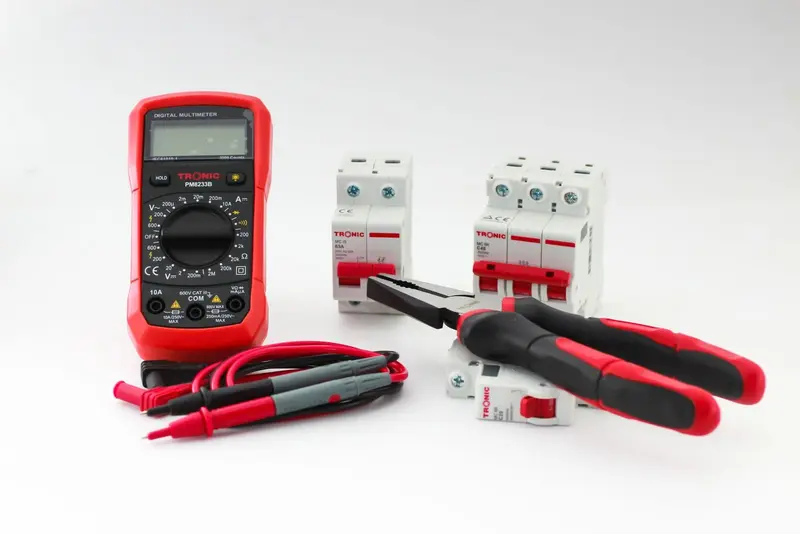
Which cable cross-section do I choose?
Four steps from design current to cross-section, and why voltage drop usually decides.
Read the article →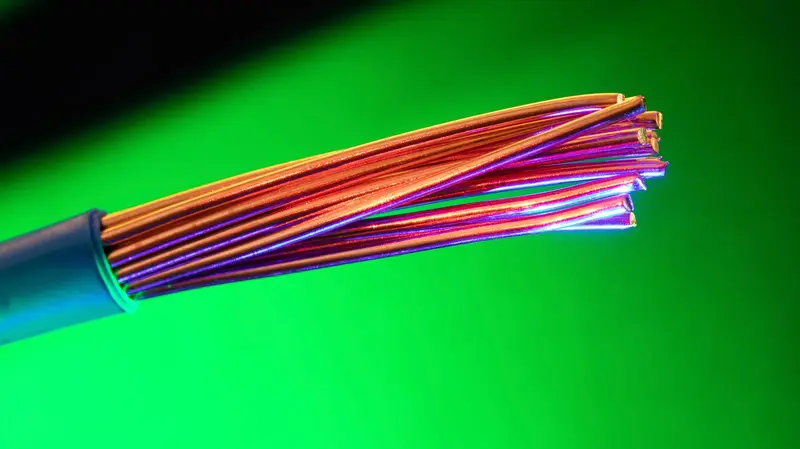
Copper or aluminium conductors
What the choice changes in cross-section, weight, price and joints.
Read the article →
Current rating and installation method
Why the same cable has different ratings in the ground and in air.
Read the article →Theme 2 · 3 articles
Fire and CPR
Which class the Bbl requires, which cables fall outside it, and where flame-retardant ends and fire-resistant begins.
Cca, Dca or B2ca: which CPR class for your project
What the classes mean, which one the Bbl requires and what the choice does to price and lead time.
Read the article →
Why not every cable has a CPR class
Which cables fall outside EN 50575, why that differs from Fca, and what to report back when the specification demands a class for a type that has none.
Read the article →
Fire resistant or flame retardant: what is the difference?
Four properties that get mixed up in specifications: flame retardant, fire resistant, halogen-free and the CPR class.
Read the article →Theme 3 · 3 articles
Cores and terminating
The colour codes, the conductor class and the screening: what you meet at the terminal and in the cabinet.
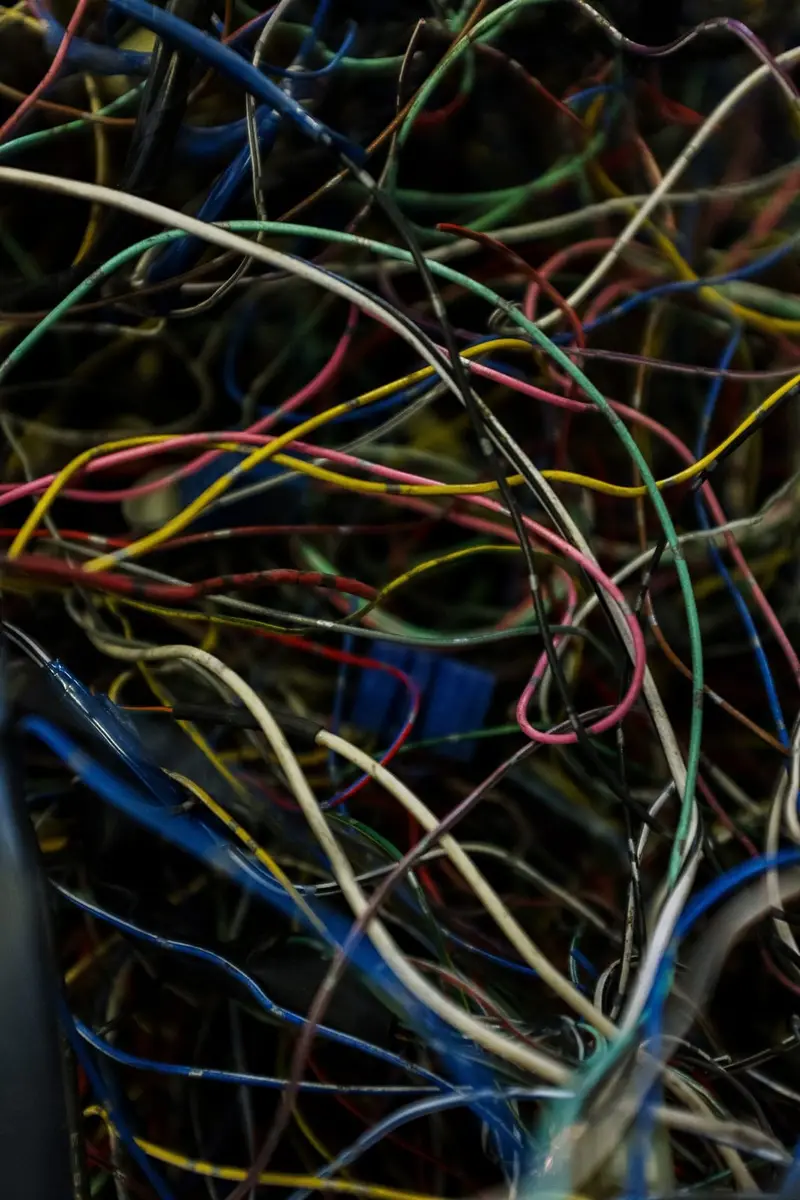
Core colours according to HD 308
The harmonised colour codes and what happens from six cores.
Read the article →
Solid or stranded: conductor classes 1, 2, 5 and 6
What the class on the datasheet means for the termination, the bend and the choice between fixed and moving.
Read the article →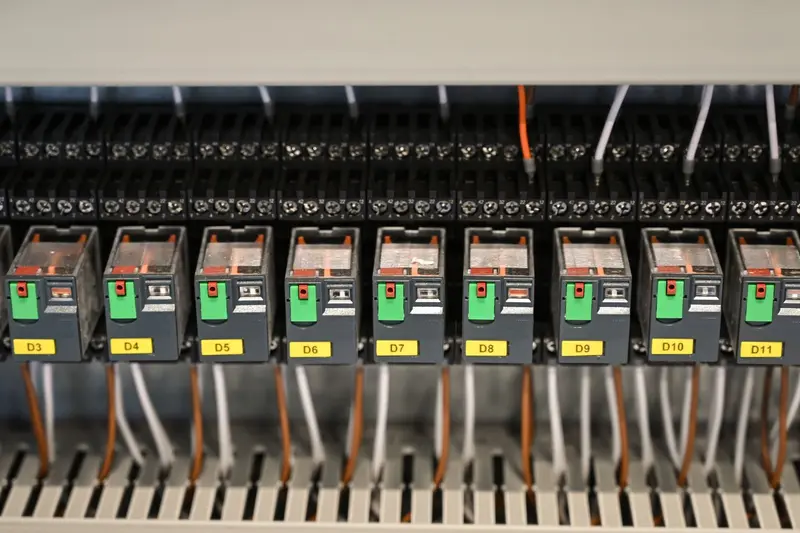
Instrumentation cable: PiMF, TiMF and screening
When individual screening pays off and when a collective screen is enough.
Read the article →Theme 4 · 3 articles
Signal, data and fibre
Coax, twisted pair and fibre: what to base your choice on when the cable carries a signal rather than power.

Coax: RG types and MIL-C-17
What an RG number does and does not guarantee.
Read the article →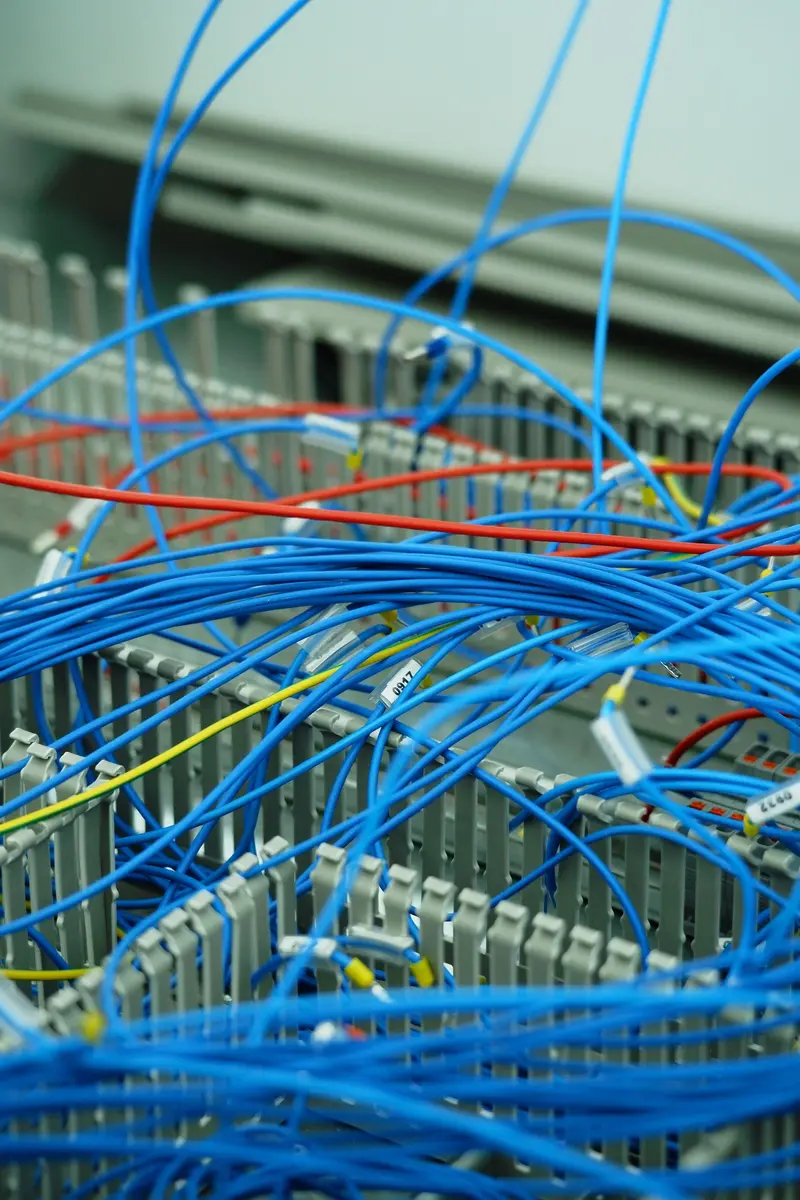
Cat 6A or Cat 7: category, class and screening
What the category number says, why a class exists alongside it and why Cat 6A is usually the practical choice.
Read the article →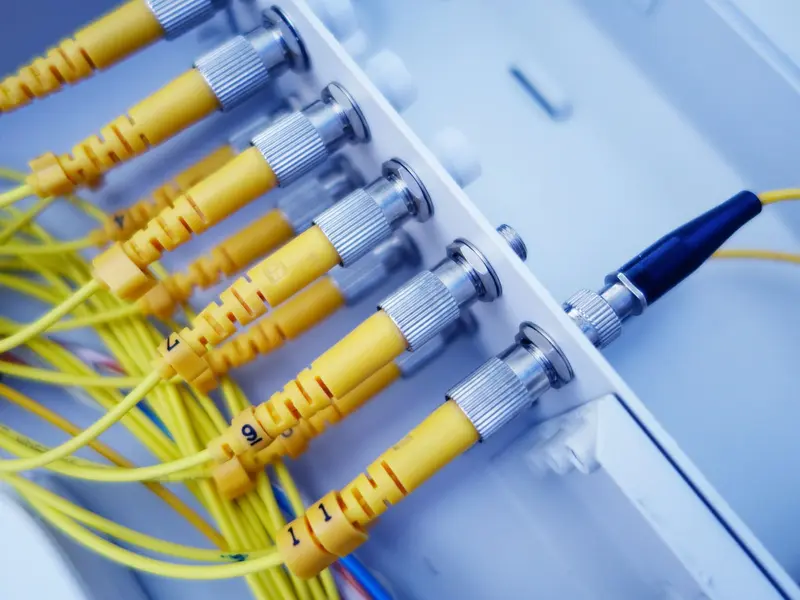
Singlemode or multimode: OS2 and OM4
Why nearly everything is singlemode, when multimode works out cheaper and what distance has to do with it.
Read the article →Theme 5 · 3 articles
Underground and pulling in
The Dutch underground cable, how deep it has to lie and how tightly it can be bent.
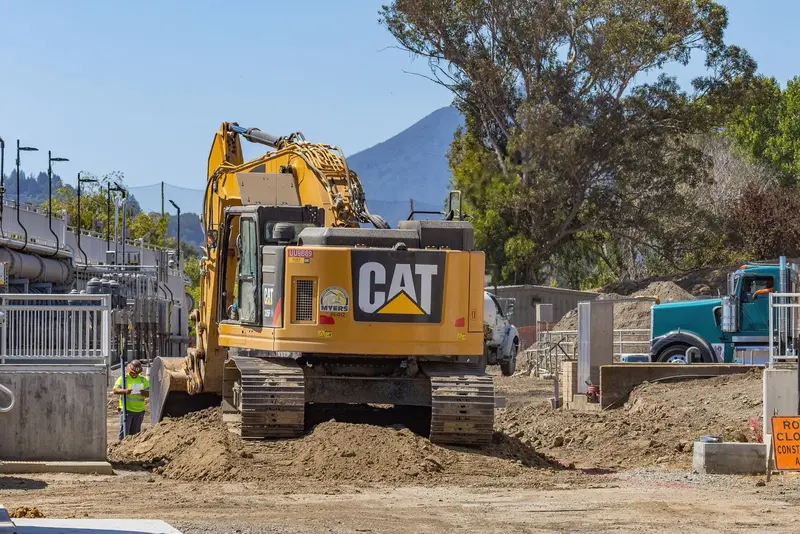
What is YMvKas?
The Dutch underground cable explained: the designation, VO versus VG, and what it is for.
Read the article →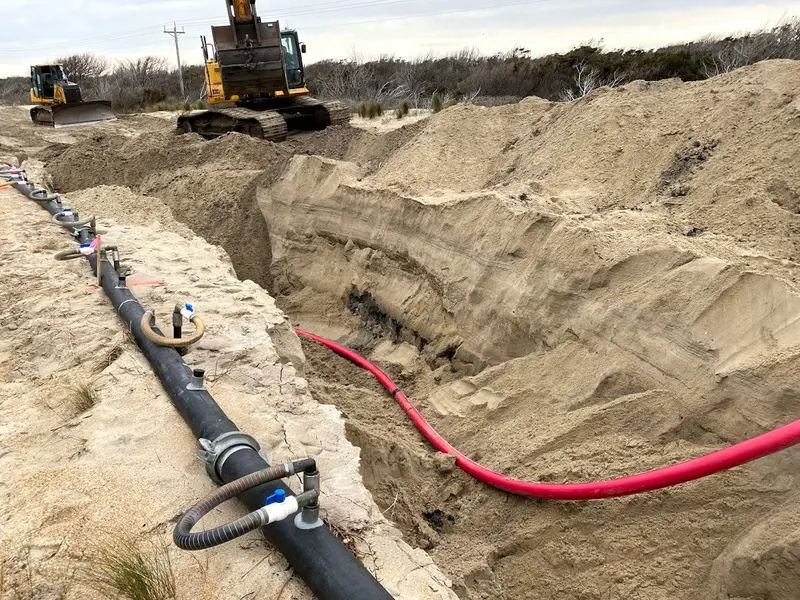
How deep should an underground cable be buried?
Burial depth, cover and which cable may go in the ground.
Read the article →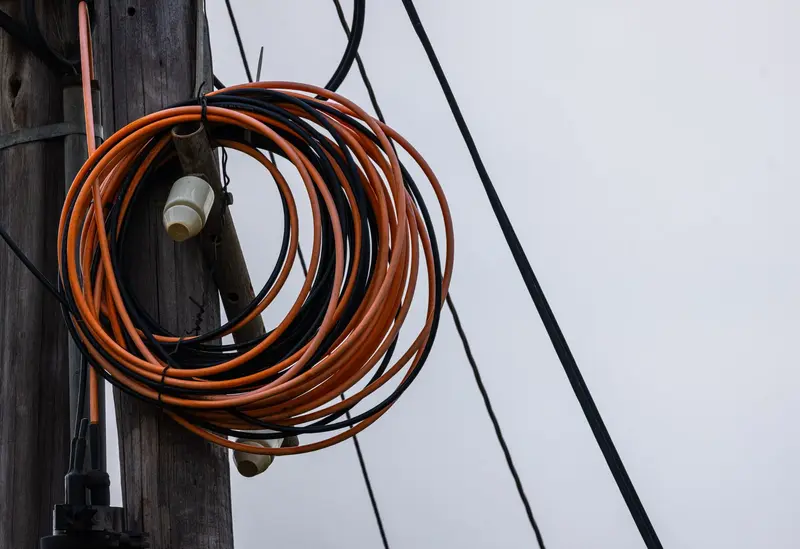
Bending radius: how tight can a cable turn?
Why both 4 × and 15 × the diameter exist, and what happens if you bend it tighter.
Read the article →Theme 6 · 2 articles
Ordering and delivery
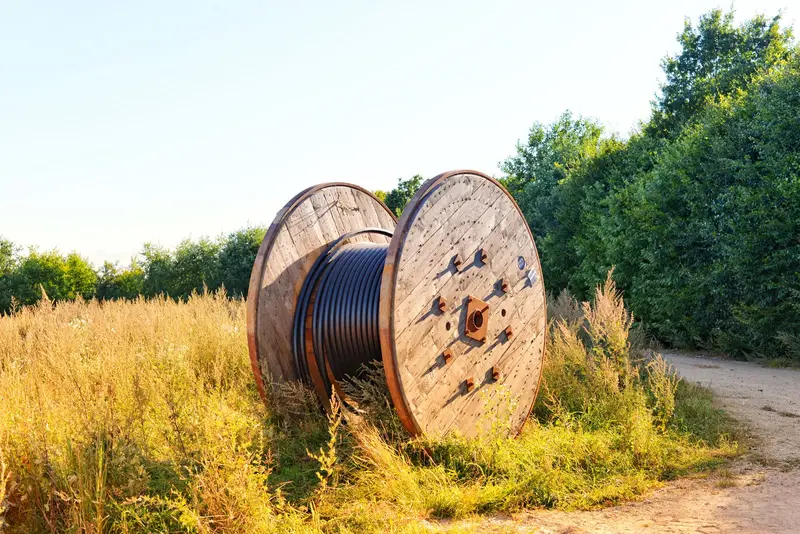
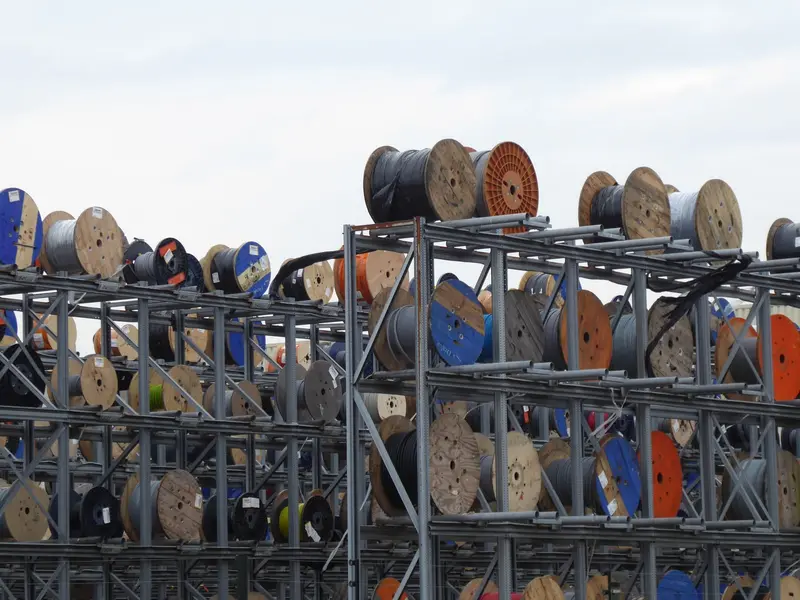
Drum lengths, cutting loss and call-off contracts: what happens between the choice and the site.
Theme 7 · 4 articles
Standards
What NEN 1010 asks of the cable choice, how to read a type designation, which HD sits behind a power cable and where British and offshore standards work differently.
What NEN 1010 asks of your cable choice
Which edition applies by law, which clauses set the cross-section and where the standard refers to the Bbl.
Read the article →
Reading cable designations: VDE, HD 361, NBN and NEN 3207
How the German, the harmonised, the Belgian and the Dutch type codes work, and why the same letter can mean something else.
Read the article →
HD 603, HD 620 and IEC 60502: which standard sits behind your power cable
Why cable standards have sections per country, which section goes with which type, and what "to HD 620" in a specification does and does not cover.
Read the article →
British and offshore standards: BS 5308, BS 5467, BS 6724, BS 7846 and NEK TS 606
When these standards turn up in a Benelux project, what they fix and what to watch for on earthing, fire performance and CPR.
Read the article →A question not covered here?
Send the specification or the question with your enquiry. We check the type against CPR class and application and come back with an answer.